
The Thrill of Uncertainty
The essence of gambling largely lies in the thrill that uncertainty brings. Players are often drawn to the unpredictable nature of games, where outcomes are not guaranteed. This unpredictability creates a rush, engaging players in an exhilarating experience that is difficult to replicate elsewhere. The excitement stemming from not knowing whether they will win or lose is a powerful motivator that keeps players returning for more, especially when they seek to enjoy an instant payout casino that offers immediate rewards. The anticipation of potential rewards can be intoxicating, drawing individuals deep into the world of gambling.
Moreover, this thrill can be tied to the brain’s reward system. When players win, their brains release dopamine, a chemical associated with pleasure and reward. This neurotransmitter reinforces the desire to engage in gambling again, as the brain begins to associate the act of gambling with positive feelings. Over time, this cycle can lead to habitual gambling behaviors, as seeking that dopamine rush becomes a driving force in a player’s psyche. Consequently, the thrill of uncertainty is not just an emotional experience; it has a profound biological underpinning that further cements the connection between players and gambling.
Additionally, the environment in which gambling takes place often amplifies this thrill. Many venues are designed to be visually captivating, with bright lights and engaging sounds that stimulate excitement. This immersive atmosphere further enhances the experience, creating a sensory overload that can lead to a heightened sense of anticipation. Players may find themselves captivated by the vibrant energy, making it harder for them to resist the urge to play again. The carefully curated ambiance serves not only to entertain but to reinforce the emotional highs and lows that accompany gambling activities.
The Illusion of Control
Another compelling aspect of gambling psychology is the illusion of control. Players often believe they can influence outcomes through skill or strategy, even in inherently random games. This perception creates a sense of empowerment, attracting players who are eager to test their abilities against chance. In reality, most games are designed to be random, but the belief in control keeps players hopeful and engaged. This illusion allows individuals to feel as if they have a stake in the outcome, making their gambling experience more personal and invested.
For example, in games like poker, players may feel that their strategic decisions significantly impact their success. This sense of agency can be particularly engaging, as players enjoy analyzing opponents and making calculated moves. The illusion of control not only provides an adrenaline rush but also fosters a deeper connection to the game, encouraging players to return for another opportunity to prove themselves. The mental engagement involved in strategy-based games can keep players occupied and motivated, further embedding them in the gambling environment.

Additionally, the concept of « near misses » plays a crucial role in reinforcing this illusion of control. When players come close to winning but ultimately lose, it can spark a desire to try again, fueled by the belief that they were just one step away from success. This psychological phenomenon strengthens their resolve to continue gambling, despite the odds often being against them. The hope of finally achieving that elusive win keeps players coming back time and again, as the emotional high from nearly winning can often be mistaken for real progress, leading to continued engagement with the activity.
The Social Aspect of Gambling
Gambling is not just an isolated activity; it can also be a profoundly social experience. Many players enjoy the camaraderie that comes from sharing the thrill of the game with others. Whether it’s playing at a physical venue surrounded by fellow gamblers or engaging in online platforms with friends, the social component can heighten the enjoyment of gambling. This interaction can lead to shared experiences and memories, which players cherish and want to relive. The communal aspect fosters a sense of belonging that can be as rewarding as the games themselves.
Furthermore, the social dynamics within gambling can evoke strong emotional responses. Celebrating wins together or commiserating over losses fosters a sense of belonging among players. This connection can create a community spirit, encouraging individuals to return for not only the game itself but also for the relationships they build. The laughter, cheers, and collective tension during gameplay contribute to a unique atmosphere that players often seek out. The shared emotional highs and lows reinforce bonds among players, making the experience more memorable and meaningful.
Additionally, social media has transformed how players engage with gambling. Online platforms allow for sharing experiences, posting wins, and discussing strategies. This connectivity fosters a broader community, encouraging interaction and competition. Players are likely to return to participate in this lively exchange, as they find validation and enjoyment through their peers’ engagement. The fusion of social interaction and gambling creates a powerful incentive that keeps players coming back, as the social validation amplifies the emotional experience, making each gaming session more than just a solitary pursuit.
Addiction and the Need for Escape
While not all players become addicted, the potential for gambling to serve as a coping mechanism is significant. Many individuals turn to gambling as a form of escape from everyday stresses and challenges. The allure of gambling can provide a temporary reprieve from reality, allowing players to immerse themselves in an engaging distraction. For some, this escape turns into a habit, compelling them to return frequently for that relief. The desire to escape can be profoundly motivating, particularly during difficult times when players seek solace in the thrill of chance.
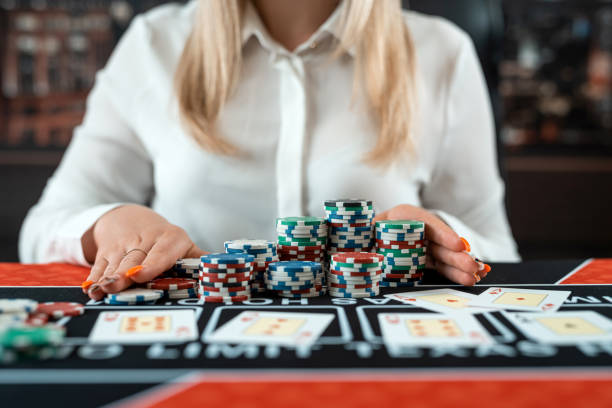
Moreover, the thrill of gambling can amplify feelings of euphoria, temporarily quieting life’s pressures. Players often seek out that high, which can lead to increased participation despite negative consequences. The cycle of seeking more significant wins to maintain that euphoric state can perpetuate gambling behavior, resulting in a reliance on the activity for emotional stability. This dynamic highlights the psychological complexity involved in gambling and its effects on individuals. As players chase that elusive feeling of joy, they may inadvertently trap themselves in a cycle of addiction.
The importance of understanding this psychological aspect cannot be overstated, as it underscores the need for awareness and responsible gambling practices. Recognizing when gambling shifts from a form of entertainment to a harmful obsession is crucial. It’s essential for players to monitor their behaviors and seek help if they find themselves relying on gambling as a way to cope. Understanding these psychological triggers can lead to healthier approaches to gambling and promote a more sustainable enjoyment of the activity. By fostering awareness, players can better navigate their relationship with gambling, ensuring it remains a source of fun rather than distress.
Your Resource for Responsible Gaming Insights
As you delve into the captivating psychology of gambling, it’s essential to approach the subject with awareness and knowledge. Our website serves as a valuable resource for understanding the intricacies of gambling behavior, offering insights into responsible gambling practices. From strategies to manage risk to recognizing the signs of problematic behavior, we are committed to providing the information you need to make informed decisions. Our content is designed to empower players, helping them navigate the complexities of gambling with greater awareness.
We aim to create a supportive community where players can share experiences and insights about their gambling journeys. Our platform encourages open dialogue about the psychological aspects of gambling, promoting a culture of transparency and responsibility. Whether you’re a casual player or someone seeking assistance, our resources are designed to cater to all, helping ensure that gambling remains an enjoyable pastime. By fostering a community around responsible gaming, we can collectively work towards healthier gambling habits.
Explore our website to connect with a wealth of knowledge about gambling psychology and responsible gaming strategies. By understanding why the psychology of gambling keeps players coming back, you can cultivate a healthier relationship with this fascinating activity. Join us in fostering a community that values awareness, responsibility, and mindful engagement with gambling. Together, we can create an environment where the excitement of gaming is balanced with a commitment to responsible play.
